
Michelle Mattison, MBA
August 15, 2026
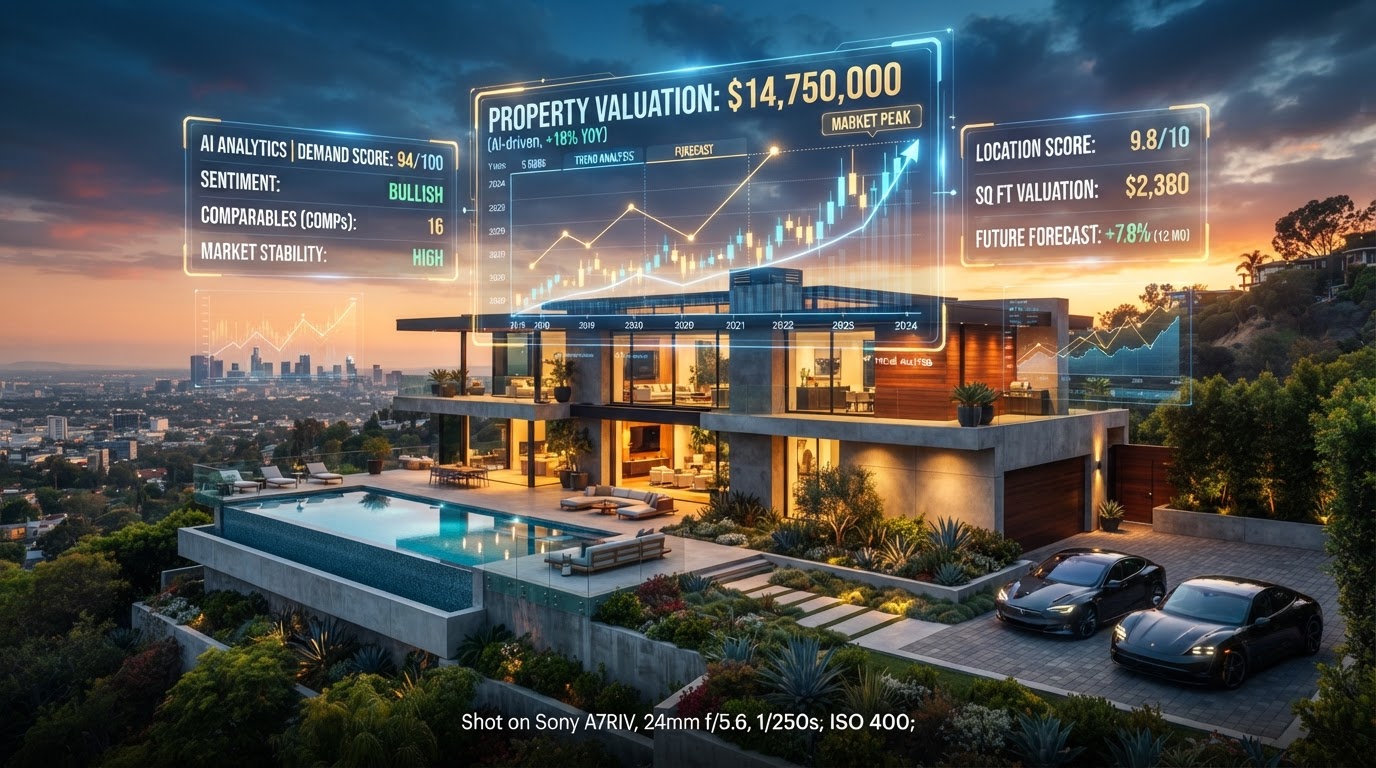
If you have searched for your home's value online recently, you have probably encountered an automated valuation model. These tools, powered by machine learning, analyze thousands of recent sales to produce an estimated value in seconds. In Charlotte's fast-moving real estate market, AI is changing how homeowners and buyers think about pricing. But understanding what these tools can and cannot do is essential before making a decision based on their output.
How AI Home Valuation Actually Works
Automated valuation models use algorithms trained on historical sales data, property characteristics, tax records, and market trends. The AI identifies patterns in how features like square footage, lot size, bedroom count, and location correlate with sale prices. It then applies those patterns to your property to generate an estimate.
The strength of AI valuation is speed and scale. It can process far more data than any human could manually review. The weakness is context. AI cannot see your kitchen renovation, smell the pet odor in the basement, or know that the house next door sold below market because it was a divorce sale.
Where AI Valuation Shines
AI tools are most accurate for properties that fit common patterns. A three-bedroom, two-bathroom home in an established Charlotte neighborhood like SouthPark or Ballantyne, where dozens of similar homes sell each year, will generally receive a more reliable estimate than a custom-built lakefront estate in Cornelius.
AI also excels at identifying broad market direction. If median prices in a zip code are trending up or down, the model captures that momentum quickly. This makes AI useful for understanding whether your market is generally appreciating, stabilizing, or softening.
Where AI Valuation Falls Short
The limitations of AI become apparent in several common scenarios:
- Luxury and custom homes: Unique features, high-end finishes, and architectural significance are difficult for algorithms to value accurately.
- Recently renovated properties: If your renovation is not yet reflected in tax records, the AI may undervalue your home significantly.
- Waterfront or view properties: A lake view or Uptown skyline view can add substantial value that automated models cannot quantify.
- Rapidly changing neighborhoods: Areas undergoing rapid transformation, like parts of NoDa or the Light Rail Corridor, may have lagging data that does not reflect current conditions.
- Distressed or unique sale circumstances: Foreclosures, short sales, and estate sales skew comparable data and can throw off estimates.
The Best Approach: AI Data Plus Professional Judgment
The most accurate valuations combine AI-powered data analysis with professional expertise. As an AI Certified Agent, Michelle Mattison uses machine learning tools to gather broader and deeper market data than traditional methods allow. She then applies years of local experience, pricing strategy expertise, and an understanding of your specific property and goals to translate that data into a strategic pricing recommendation.
This hybrid approach gives you the best of both worlds. You get the speed and scale of AI, plus the contextual judgment that only a local professional can provide. The result is a valuation you can actually use to make decisions about selling, refinancing, or planning your next move.
What This Means for Charlotte Homeowners in 2026
Charlotte's market in 2026 is more data-rich than ever. With inventory normalizing and buyers becoming more price-sensitive, accurate pricing is critical. Overpricing based on an inflated AI estimate can lead to extended days on market and eventual price reductions. Underpricing leaves equity on the table.
The homeowners who achieve the best outcomes use AI as a starting point, then partner with a professional who can interpret the data, account for property-specific factors, and position the home strategically for the current market.
Getting Started
If you are curious about your home's value, start with a free AI-informed valuation from Michelle Mattison. You will receive a data-driven estimate grounded in current Charlotte market conditions, plus professional insight into how your specific property fits the local landscape. Request your home value analysis here.
COMMON QUESTIONS
Frequently Asked Questions
Q1Are AI home valuations accurate in Charlotte?
AI valuations can be reasonably accurate for typical homes in well-documented neighborhoods, often landing within a few percentage points of the eventual sale price. However, accuracy drops for luxury properties, homes with significant upgrades, waterfront locations, or properties in rapidly transitioning areas. AI works best as a starting point, not a final number.
Q2Can AI replace a professional comparative market analysis?
No. AI provides a data-driven starting point, but a professional CMA adds contextual judgment that algorithms cannot replicate. A skilled advisor considers condition, staging, market timing, buyer psychology, and neighborhood nuances that automated models may miss.
Q3How does Michelle Mattison use AI in home valuation?
As an AI Certified Agent, Michelle uses AI tools to gather broader market data, identify micro-market trends, and cross-check pricing assumptions. She then applies professional judgment, local expertise, and strategic positioning to translate that data into a pricing strategy tailored to your goals.
Q4Do I have to pay for an AI home value estimate?
Many online valuation tools are free, but they provide generalized estimates. A comprehensive valuation that combines AI data with professional analysis is available through a consultation with Michelle Mattison at no cost for Charlotte-area homeowners.